
Most people try to learn English vocabularyby memorizing long lists of words and their definitions. It feels productive, but a week later most of those words are gone. That's because memorizing a definition is recognition, not understanding— and the brain forgets what it doesn't use or connect to something it already knows.
The good news: decades of language-learning research point to a handful of methods that make new words stick. Use these seven and you'll remember English words faster— whether you're preparing for IELTS, TOEFL and GRE or just want stronger everyday English.
1. Learn the meaning in your native language first
When you look up an English word and the definition is alsoin English, you're solving one puzzle with another. For most learners it's far faster to first anchor the word to its meaning in your native language— Bengali, Hindi, Urdu, Arabic and so on — and only then practice it in English. Your brain already has a slot for the concept; you're just attaching a new English label to it.
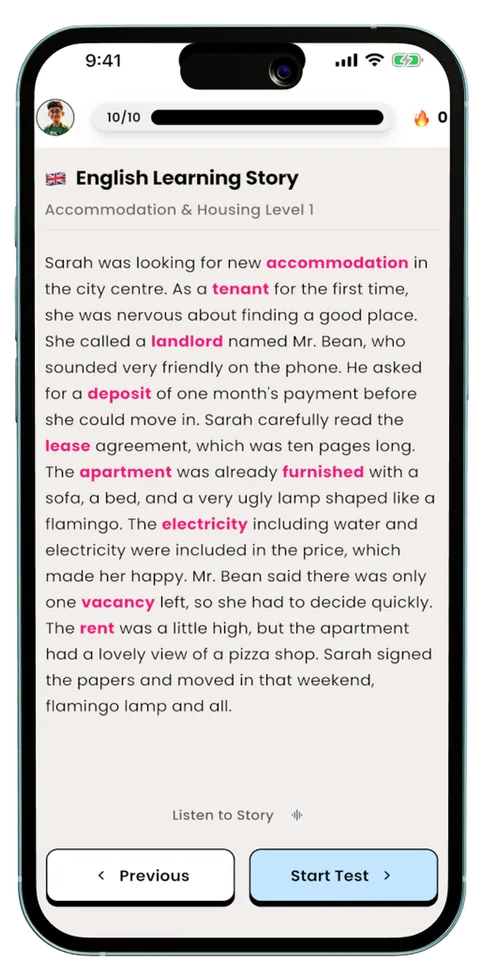
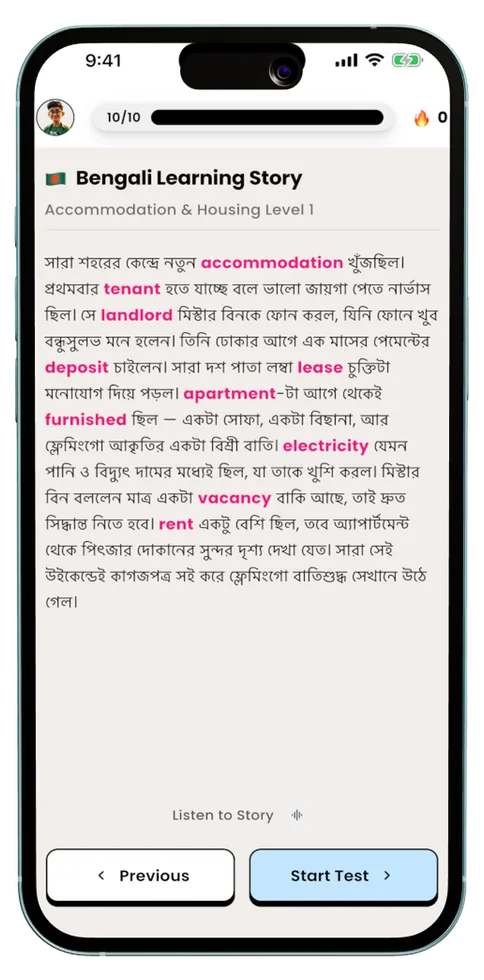
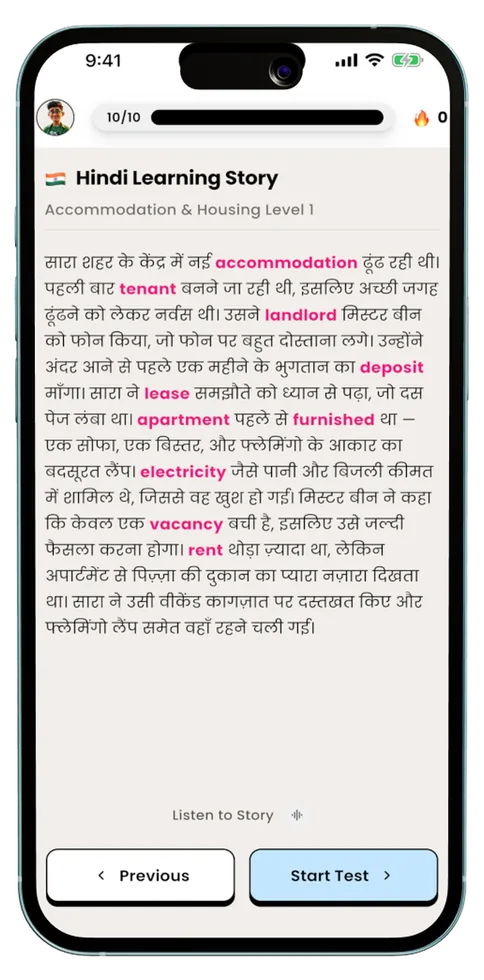
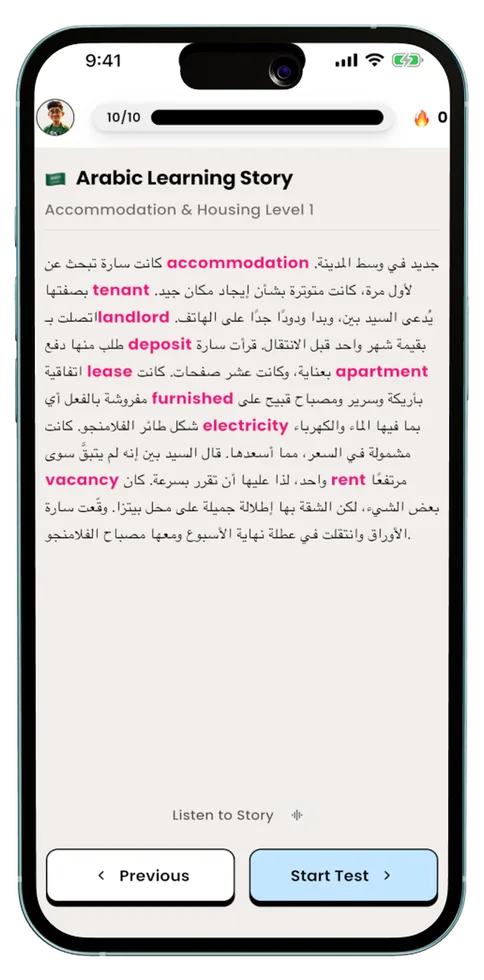
2. Always learn words in context, never in isolation
A word on its own is hard to remember. The same word inside a sentence or a short story is easy — because context gives it meaning, grammar and emotion to hook onto. Instead of "accommodation = a place to live," read "We booked accommodation near the beach for the weekend." Learning vocabulary in context is one of the single biggest upgrades you can make.
3. Use active recall, not passive review
Re-reading a word list feels like studying, but it barely moves it into long-term memory. Active recall — forcing yourself to retrieve the answer — does. Quiz yourself: cover the meaning and try to produce it; fill the word into a blank sentence; spell it from memory. Every successful retrieval strengthens the memory far more than re-reading ever could.
One minute spent trying to recall a word is worth more than ten minutes spent re-reading it.
4. Space your repetition over days
Cramming 100 words in one night is the worst way to remember them. Spaced repetition— reviewing a word again just as you're about to forget it, over increasing intervals — is the most efficient method known to science. Five minutes a day across two weeks beats a single two-hour session every time.
5. Learn the right words first
Not all words are worth the same effort. The Oxford 3000 covers the words you'll meet most often, and exam-specific lists (IELTS vocabulary, TOEFL, GRE high-frequency) target exactly what your test rewards. Learning high-frequency and exam words first gives you the fastest real-world payoff — you start understanding more of what you read and hear almost immediately.
6. Keep an offline dictionary you'll actually open
Curiosity is fragile. If looking up a word takes ten seconds and an internet connection, you'll often skip it. A fast, offline English dictionary — with definitions, synonyms, antonyms and examples — means every word you meet on the bus, in a book or in a conversation can be learned on the spot, no signal required.
7. Build a daily habit — and make it a little fun
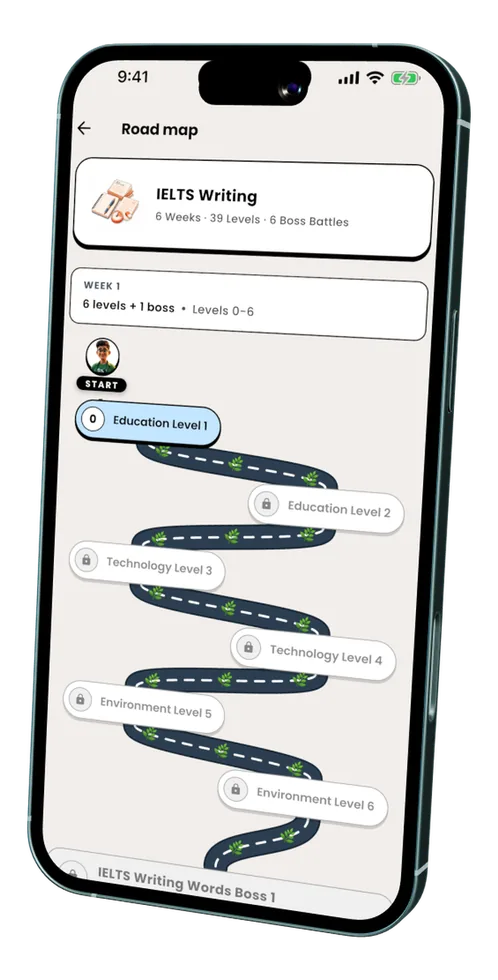
Vocabulary is won in small, consistent doses, not heroic study sessions. Tie practice to a daily streak, give yourself a weekly review challenge, and earn points or badges. A bit of gamification turns "I should study" into "I don't want to break my streak" — and consistency is what actually grows a vocabulary over months.
The takeaway
You don't need a better memory to learn English vocabulary faster — you need a better method. Anchor each word to your native language, meet it in context, recall it actively, space your reviews, target high-value words, keep a dictionary close, and show up daily. Do that, and the words you learn this month will still be there next year.
Put these ideas into practice
VocabMate Pro is built around exactly these principles — native-language meanings in 7 languages, story-based learning, a 3-phase recall test, a 150K-word offline dictionary and daily streaks.